Opioid Treatment Norfolk for personalized treatment plans
Powerful Substance Rehab Programs: Embark on Your Recovery Journey
Effective drug rehab programs operate as an essential role in rehabilitation. They deliver structured environments suited to individual needs. With a focus on personalized treatment and evidence-based therapies, these programs confront the difficulties of addiction. Support systems and holistic practices further amplify the recovery experience. Realizing what to expect from these programs can be pivotal for those seeking a fresh start. What key elements determine long-term success in recovery?
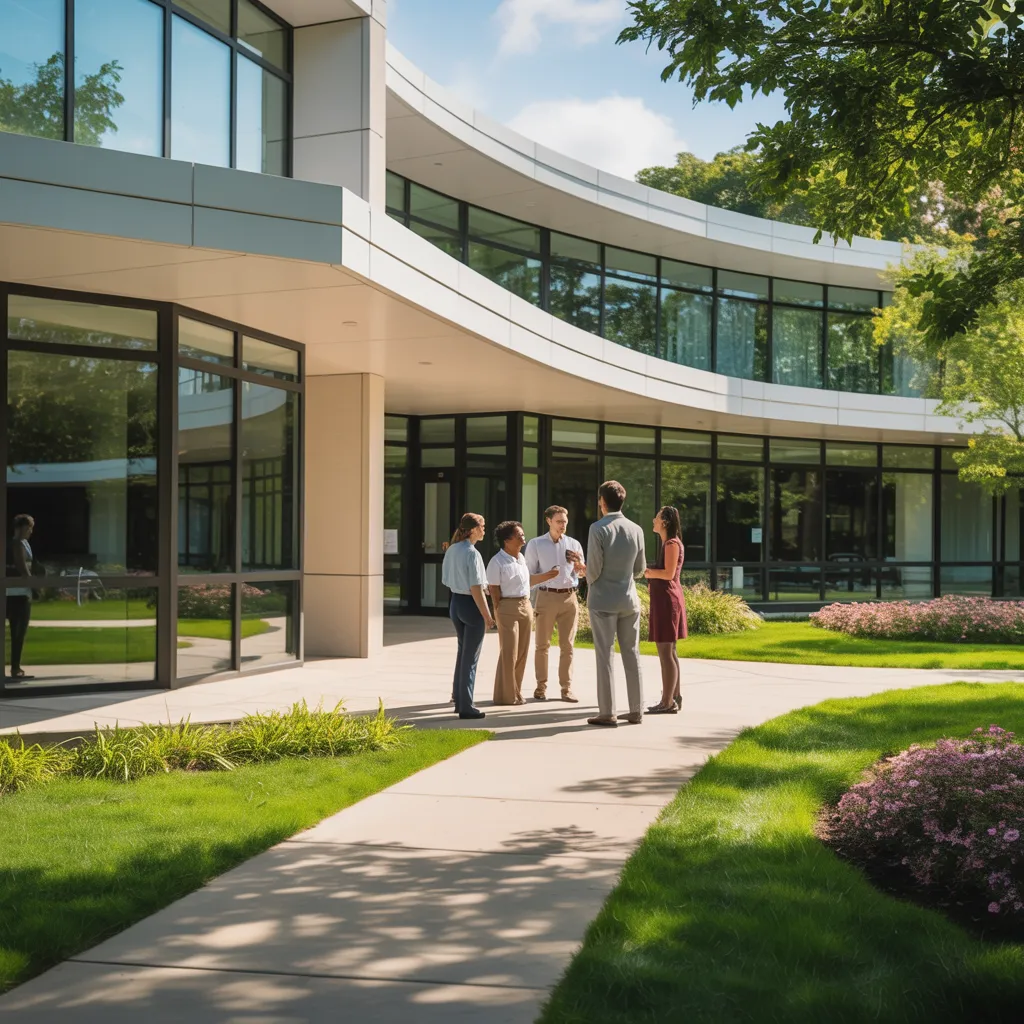
The Value of Drug Rehab Programs in Healing
Drug rehab programs are essential because they extend indispensable aid and structured settings for individuals struggling with substance use disorders. These treatment plans zero in on addressing the intricate nature of addiction, presenting a assortment of physical health, behavioral, and relational assistance customized to each individual's unique needs. They build a safe haven where individuals can undergo cleansing, engage in treatment sessions, and formulate adaptive techniques, helping them to grapple with the deep-rooted causes perpetuating their drug consumption.
Furthermore, rehab programs create a sense of community, connecting individuals with peers who have similar experiences. This mutual support not only fights sense of loneliness but also encourages responsibility and motivation. By utilizing scientifically-proven methods and comprehensive strategies, these programs meaningfully enhance the likelihood of long-term recovery. Overall, substance abuse treatment facilities play a vital role in ending the pattern of dependence, allowing individuals to regain control of their existence and seek better tomorrows.
Knowing What Happens in a Prosperous Treatment Facility
Individuals entering a productive rehab program can expect a meticulous and methodical approach to recovery. These offerings typically start with a comprehensive assessment to determine individual goals and hurdles. Following this appraisal, participants engage in a assortment of treatment methods including individual counseling, group work, and educational sessions about substance dependence.
A nurturing setting is a defining characteristic of successful rehabilitation, fostering confidence and fellowship among individuals. Clients can expect regular monitoring of their progress, which helps to pinpoint opportunities to enhance and recognize achievements.
Holistic methods including mindfulness and physical activities frequently complement traditional therapies, promoting overall well-being. Additionally, post-treatment planning is vital, guaranteeing individuals have resources and support systems in place for their shift back into daily life. This structured framework is created to equip individuals with the techniques and resources necessary for enduring healing.
Fundamental Features of Customized Care Frameworks
Individualized recovery strategies are essential for effective drug rehabilitation, as they meet the distinct needs of each patient. A comprehensive assessment process guarantees that therapists can pinpoint specific challenges, while personalized therapeutic approaches offer tailored interventions. Additionally, ongoing support systems are crucial in maintaining recovery and preventing setbacks.
Complete Examination Framework
Undertaking a detailed assessment process is crucial when developing effective treatment plans in drug rehabilitation. This process initiates with a thorough evaluation of an individual’s medical history, substance use patterns, and psychological well-being. Professionals with training perform interviews and standardized assessments to accumulate comprehensive data, making sure the inclusion of all relevant factors. The information gathered not only determines addiction severity but also identifies simultaneous mental health conditions. Moreover, the assessment aids in determining the individual’s social support network and willingness to change, which are vital for customizing interventions. Finally, a thorough evaluation stands as the cornerstone for personalized treatment approaches, boosting the probability of effective recovery and enduring sobriety.
Individualized Therapeutic Options
How might therapy be adjusted to meet the particular requirements of every person in recovery? Individualized therapy options are fundamental in efficient drug rehabilitation. By considering a person’s individual background, including their history, preferences, and psychological profile, treatment plans can be fine-tuned. Techniques including cognitive-behavioral therapy (CBT), dialectical behavior therapy (DBT), and motivational interviewing can be selectively applied to address distinct issues. Integrating holistic approaches—such as art therapy, mindfulness, or group sessions—can further enhance active participation and healing. Regular reassessments maintain that the treatment remains aligned with the individual’s evolving needs. Ultimately, personalized therapy promotes a sense of empowerment and ownership over the recovery process, greatly increasing the chances of lasting success.
Persistent Backup Networks
Developing solid ongoing support systems is vital for people in rehabilitation from substance use disorders. These networks provide a safety net, fostering responsibility and connection to individuals who share comparable backgrounds. Peer support groups, such as Alcoholics Anonymous or Narcotics Anonymous, offer a collective setting that promotes honest communication and psychological assistance. In addition, ongoing therapy sessions can assist people tackle root causes and create stress management techniques. Family involvement is explore here also crucial, as it reinforces connections and fosters a supportive home environment. Frequent consultations with medical professionals ensure that treatment plans stay current and effective. By combining these elements, ongoing support systems establish an comprehensive framework that enhances the likelihood of long-term rehabilitation and individual development.
Effective Evidence-Based Methods for Wellness
Effective evidence-based treatments serve as an important part in the recovery journey for people facing addiction. These treatments are rooted in scientific research and clinical practice, maintaining their effectiveness. Cognitive Behavioral Therapy (CBT) is one key approach, helping individuals identify and change negative thought patterns that contribute to substance use. Motivational Interviewing (MI) also proves beneficial by enhancing a person's motivation to change, fostering a deeper commitment to recovery.
Moreover, Contingency Management (CM) makes use of positive reinforcement to support sobriety, delivering tangible rewards for maintaining clean drug tests. Dialectical Behavior Therapy (DBT) works on emotional regulation and interpersonal skills, benefiting those with co-occurring disorders. By combining these evidence-based therapies, treatment programs are capable to implement personalized strategies that meet the unique needs of each individual, thereby increasing the likelihood of sustained recovery. Ultimately, integrating these therapies lays a solid foundation for long-term healing and personal growth.
How Support Systems Improve Healing
Assistance networks play a key role in the path to healing from substance abuse. Peer support communities offer mutual understanding, while family engagement can provide emotional stability and motivation. Additionally, professional guidance ensures that individuals obtain the essential resources and approaches for continuous improvement.
Fellow Backing Platforms
Although healing can be a deeply personal process, the inclusion of support groups greatly enhances the process. These networks comprise individuals who have faced similar challenges, providing a unique platform for empathy and understanding. Participants often find comfort in common stories, which fosters a sense of belonging and reduces feelings of isolation. Peer support encourages responsibility, as members motivate one another to remain committed to their healing objectives. Additionally, these relationships can offer useful tips and coping strategies, reinforcing the skills learned in formal treatment. Ultimately, peer support networks serve as an essential resource, cultivating strength and hope, and considerably contributing to sustained recovery for individuals seeking to overcome addiction.
Family Participation Advantages
When individuals struggling with addiction involve their loved ones in the healing journey, the advantages may prove significant. Familial participation fosters a nurturing atmosphere, which is crucial for recovery. Clear dialogue helps to rebuild confidence, strengthening relationships that may have been damaged by addiction. Loved ones offer emotional support and encouragement, enabling for people to avoid substance abuse relapse. Additionally, relatives often develop understanding of substance dependency, enabling them to more fully comprehend the challenges their family members encounter. This united approach not only boosts personal drive but also encourages personal responsibility. Ultimately, a strong family support system can significantly enhance the likelihood of sustained sobriety, rendering it an essential element in successful addiction treatment facilities.
Recognizing the Value of Professional Support
Handling the complexities of addiction recovery often necessitates professional guidance, as trained experts offer crucial understanding and strategies tailored to specific requirements. These professionals, including therapists and counselors, help uncover underlying issues fueling addiction, cultivating a more profound awareness of individual difficulties. They also supply individuals with coping mechanisms and approaches to prevent setbacks, boosting their resilience in high-risk situations.
Support systems like group therapy and peer support additionally reinforce the recovery process. Sharing experiences and difficulties within a group encourages accountability and reduces sense of loneliness. Overall, professional guidance combined with a strong support system establishes an all-encompassing framework that markedly enhances the likelihood of long-term healing, empowering individuals to reclaim their lives and move forward with intention.
Locating the Appropriate Rehab Center that Matches Your Individual Needs?
How can someone guarantee they choose the most suitable rehab center for their specific needs? First, people should assess their personal situations, including the kind of substance involved and any co-occurring mental health conditions. Researching centers that focus in these domains can significantly improve the likelihood of a positive recovery.
Next, it's important to analyze the facility's treatment approach. Different organizations may focus on various methodologies, like cognitive-behavioral therapy or natural healing programs. Additionally, the location and environment of the rehab facility can determine comfort and incentive during recovery.
Determining the qualifications and experience of staff members is necessary as well. Certified programs with licensed professionals guarantee a higher standard of care. Finally, gathering feedback from former clients can supply meaningful insights into the effectiveness and environment of the facility, guiding people toward a decision that aligns with their recovery objectives.
Next Procedures After Rehab
Concluding a rehab program marks a major accomplishment, but the path to sustained recovery extends past those walls. Individuals need to implement proactive steps to maintain their progress. Creating a strong support network is essential; this may include family, friends, and peer communities such as Alcoholics Anonymous or Narcotics Anonymous. These networks provide encouragement and accountability.
In addition, setting up a well-planned schedule can help individuals avoid triggers and cultivate a sense of normalcy. Participating in positive pursuits, like exercise or recreational activities, can also promote mental well-being.
Sustained therapy, whether individual or group, can resolve underlying problems and strengthen adaptive strategies. Supervising one's psychological and emotional wellness is imperative, as setbacks can occur. At its core, adopting continual education about addiction and recovery can empower people to traverse their new lives and copyright their commitment to abstinence. By executing these actions, they can build a fulfilling, addiction-free future.
Often Asked Topics
How Much Does Drug Rehab Usually Cost?
Drug rehabilitation costs typically vary from $1,000 to $30,000 per month, based on considerations such as location, type of facility, and level of care. Insurance coverage can significantly affect direct costs for people pursuing care.
Can I Transport My Belongings to Rehabilitation?
Yes, people can often bring belongings to rehab, but restrictions may exist. It's recommended to check the specific facility's guidelines to ensure compliance and to know what things are allowed during the stay.
Do age-specific rehab programs exist?
Yes, age-appropriate rehabilitation programs are accessible, crafted to fulfill the specific needs of different age categories. These programs commonly address maturation phases, delivering individualized care and therapeutic interventions for youngsters, teenagers, and mature individuals.
What if I Encounter Relapse After Rehab?
Relapsing after rehab can take place; it's important to understand it as component of the recovery process. Pursuing help, revising approaches, and possibly going back to rehab can assist people in restoring their stability and continuing their journey.
How Considerable Time Do Most Rehab Programs Demand?
Most rehab programs usually span between 30 to 90 days, though some may stretch beyond that. The period often relies on individual needs, care objectives, and the specific substance being managed during rehabilitation.